







Auto Repair FAQs for Houston Drivers

Looking for Clarity?

Auto Repair FAQs for Houston Drivers

  • Why is my check engine light on?

    The check engine light illuminates when the vehicle's computer detects a problem affecting a monitored system. Common causes include emissions faults, sensor problems, ignition issues, fuel system problems, and other engine management issues. A diagnostic trouble code helps identify the system involved, but further testing may be needed to find the actual cause.

  • What does a flashing check engine light mean?

    A flashing check engine light can indicate an active condition such as a severe misfire that may damage the catalytic converter. Reduce driving and have the vehicle evaluated promptly.

  • Why does my car shake when I brake?

    Possible causes include alignment, tire pressure differences, tire construction, suspension wear, or other steering issues. An inspection can determine whether alignment or another repair is needed.

  • Why are my brakes grinding?

    Grinding can occur when brake friction material is severely worn or when brake components are damaged. Because braking performance may be affected, grinding should be inspected quickly.

  • Why does my car pull to one side?

    Possible causes include wheel alignment, tire pressure, tire wear, suspension problems, brake drag, or road conditions. Persistent pulling should be evaluated.

  • How do I know if I need a wheel alignment?

    Common signs include uneven tire wear, an off-center steering wheel, pulling or drifting, and changes in handling. Alignment measurements are required to know whether the wheels are actually out of specification.

  • Why is my car AC blowing warm air?

    Possible causes include low refrigerant due to a leak, compressor problems, electrical faults, condenser or cooling fan problems, and airflow issues.

  • Why does my AC only get cold while driving?

    Vehicle speed increases airflow across the condenser. If AC performance is noticeably worse when stopped, possible causes include cooling-fan problems, refrigerant charge issues, or compressor performance issues. Proper testing is required.

  • Why does my tire keep losing air?

    Punctures, valve-stem leaks, wheel corrosion, bead leaks, temperature changes, and tire damage can all cause pressure loss.

  • Can every flat tire be repaired?

    No. Repairability depends on the location and size of the damage and the tire's overall condition. Sidewall and certain shoulder damage generally cannot be repaired safely.

  • Why is my tire-pressure light on when my tires look fine?

    Tires can be underinflated without appearing visibly low. Temperature changes can also reduce pressure. Check the pressure with an accurate gauge and inspect for leaks if the pressure continues to drop.

  • Why does my car click but not start?

    A weak battery, poor battery connections, starter problems, or electrical-system faults may be responsible. Battery and starting-system tests can identify the likely cause.

  • How long does a car battery usually last?

    Battery life varies with climate, driving habits, battery quality, and the vehicle’s electrical demands. Houston heat can accelerate battery deterioration, so testing an aging battery is often more useful than relying on age alone.

  • Why is my car overheating?

    Overheating can be caused by low coolant levels, leaks, thermostat problems, cooling fan failure, radiator restrictions, water pump issues, or internal engine problems.

  • Can I keep driving if my temperature gauge is high?

    Continuing to drive an overheating engine can cause serious damage. If the gauge is unusually high or an overheating warning appears, stop in a safe place and have the vehicle evaluated.

  • Why does my car vibrate at highway speed?

    Common causes include wheel imbalance, tire defects, bent wheels, suspension wear, or drivetrain problems. The exact speed at which the vibration occurs can help with diagnosis.

  • Why is my steering wheel off-center?

    An off-center steering wheel may indicate alignment issues or steering/suspension conditions. A recent curb impact, pothole, or suspension repair can also affect steering position.

  • Why does my car bounce after hitting a bump?

    Excessive bouncing can indicate worn shocks or struts, although tire and suspension conditions may also affect ride quality.

  • How often should I rotate my tires?

    Use the tire manufacturer's and vehicle manufacturer's recommendations. Regular rotations help even out tread wear, but they cannot correct alignment, suspension, or inflation problems.

  • How often should I change my oil?

    Use the oil type and service interval specified for your vehicle. Modern oil-change intervals vary significantly by manufacturer, engine, and driving conditions.

  • Should I repair my car before a long road trip?

    If your vehicle has warning lights, fluid leaks, tire problems, braking concerns, unusual noises, or overdue maintenance, schedule an inspection before the trip rather than waiting until departure day.

  • Where is 2 Quick Automotive & Tire?

    2 Quick Automotive & Tire is located at 15557 FM 529, Houston, TX 77095, serving Copperfield, northwest Houston, and nearby Cypress-area drivers.

Not Sure If We Can Help?

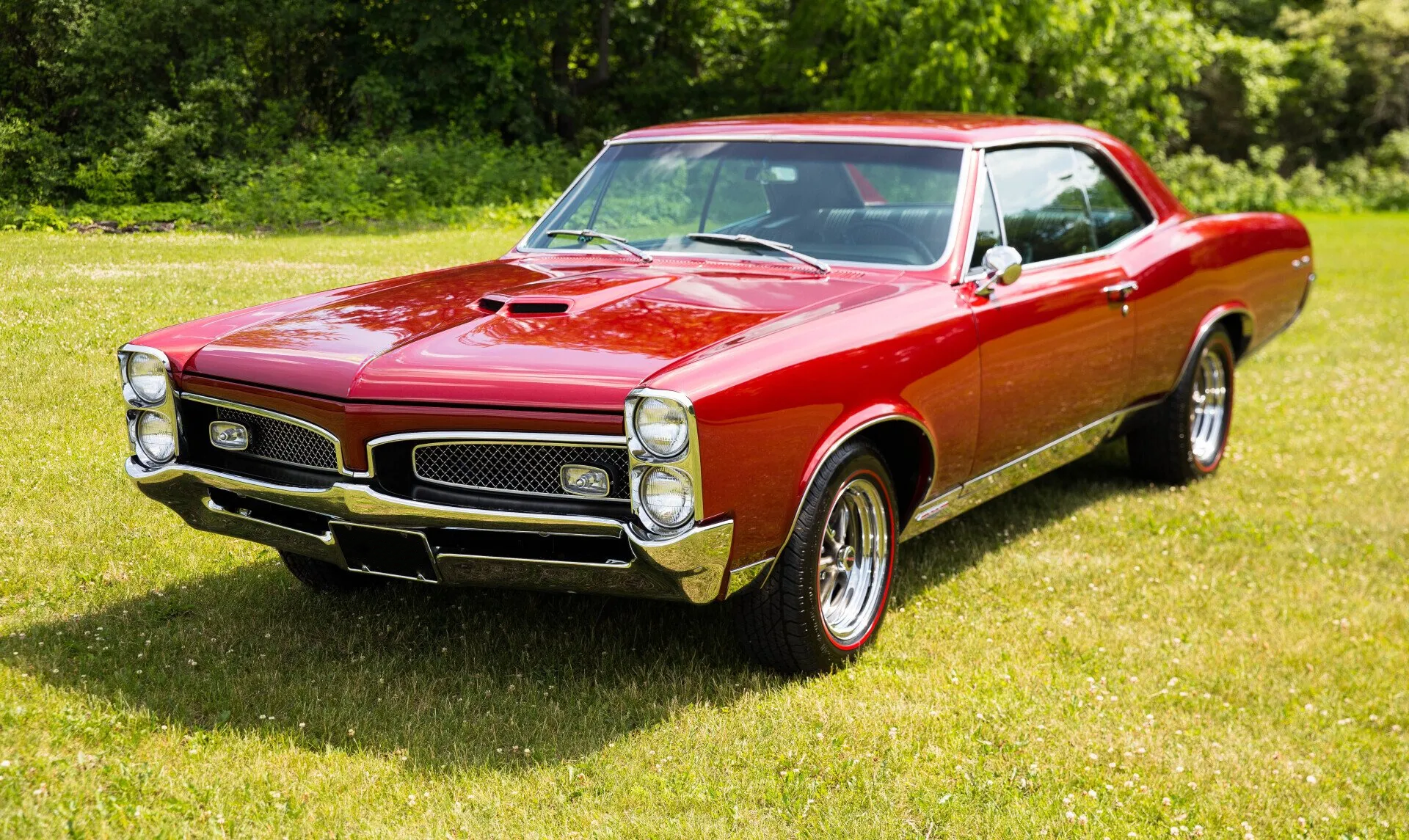
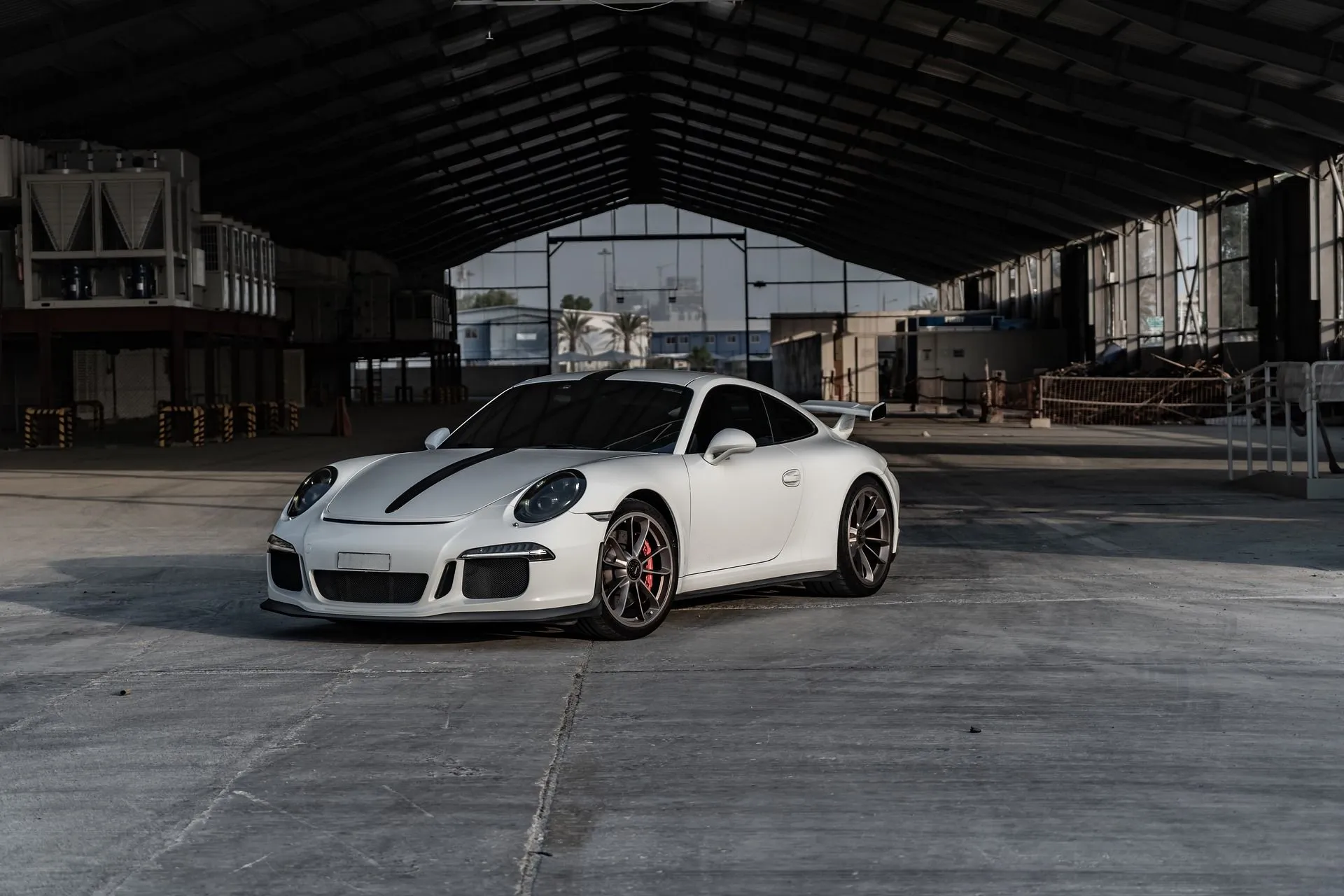
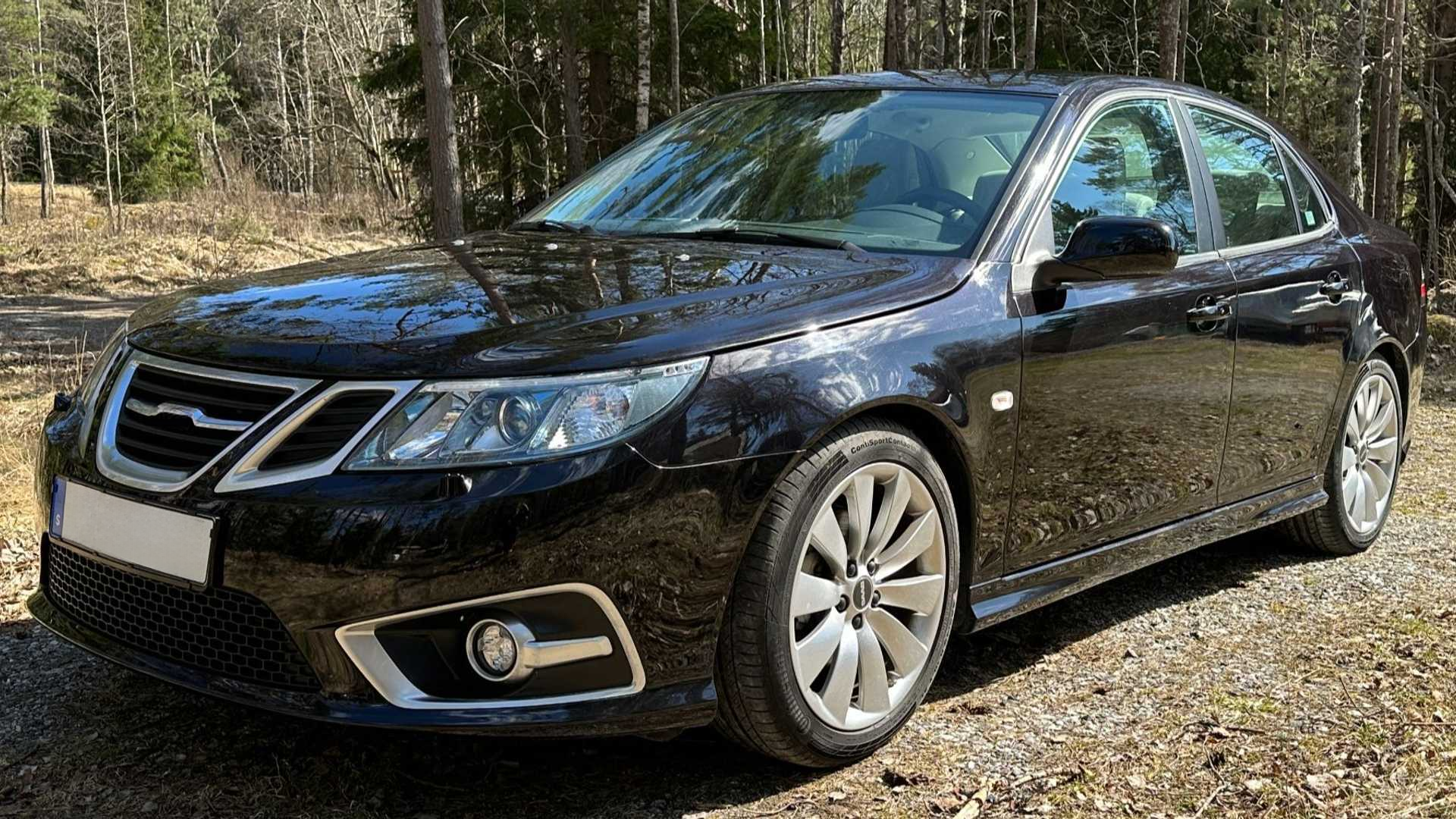
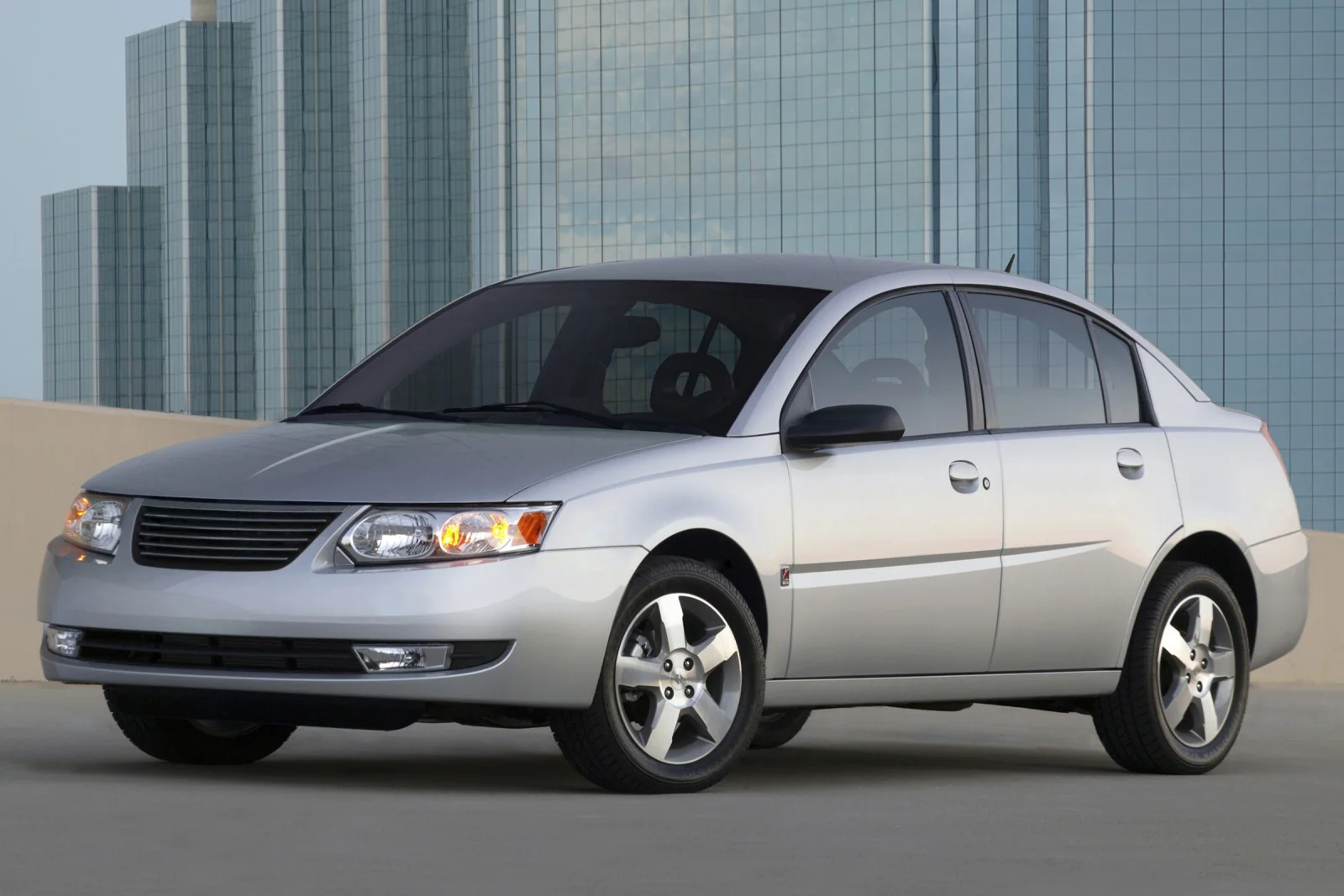
Vehicles We Work On